
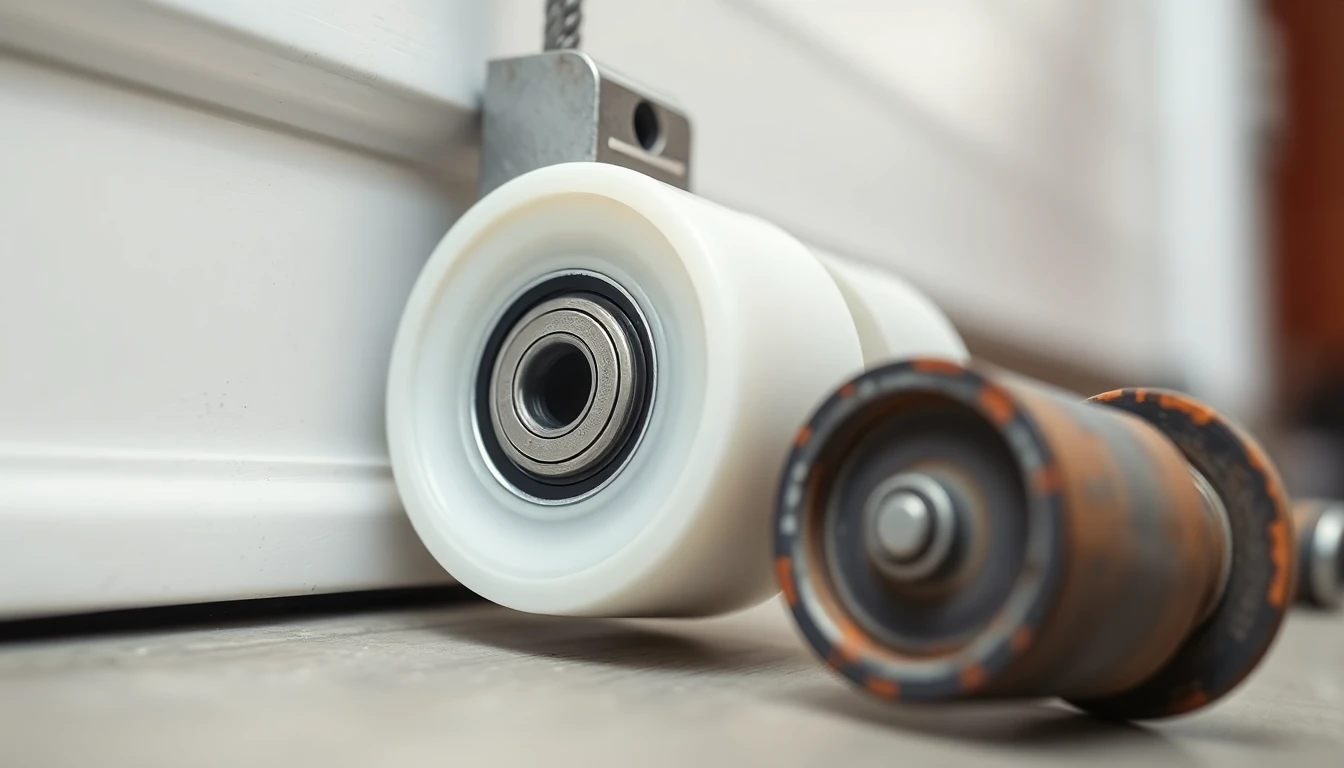
Few things derail a morning like a garage door problem, and homeowners across Puget Sound dealing with full roller tune-up know exactly how disruptive it is. Our company is headquartered at 6309 24th Ave NW, Seattle, WA 98107, and our service trucks cover Greater Seattle, the Eastside, South King County, Snohomish County, Pierce County, and the Kitsap Peninsula seven days a week.
Reach us at (253) 264-0988 or info@ballardgaragedoor.com, tell us what the door is doing, and we will tell you exactly what happens next.
The short version: yes, we handle full roller tune-up across the greater Seattle area, usually the same day you call. Ballard Garage Door is licensed, bonded, and insured in Washington State, prices by the job with a written quote up front, and runs trucks through the Seattle metro seven days a week. Call (253) 264-0988.
At a glance — same-day service: yes · emergency response: 24/7 · written quote before work: always · brands covered: all major manufacturers · service area: the Seattle metro and the greater Puget Sound region.
About full roller tune-up
All rollers, lubrication, and track inspection in one visit. This is a focused specialty within our broader garage door roller replacement service, and it follows the same standard: full-system inspection first, written pricing second, expert work third. During the appointment we also inspect the steel rollers, sealed-bearing rollers, hinges, since these components age together and are cheapest to address in one visit.
Puget Sound's garage door specialists
Our service area runs from the Kitsap Peninsula across Seattle and the Eastside, north through Snohomish County and south into Pierce County — and every corner of it has its own mix of doors, openers, and weather exposure. That breadth is why we train on every major brand and stock our trucks for one-visit repairs rather than parts-ordering delays.
Nine months of moisture, winter cold snaps, and storm-season power flickers are quietly brutal on garage door systems, which is why honest, local service matters here more than in milder climates. We build our recommendations around those realities, not around a national script.
When to call about full roller tune-up
Garage doors almost always warn you before they fail completely. Across the greater Seattle area, these are the signs we hear about most often when customers call about full roller tune-up:
None of these get better on their own. A door showing these signs is telling you a component is at the end of its life, and addressing it now is always cheaper than the emergency version of the same repair.
- A roller popped out and the door is binding
- The door shudders or sticks at the curve of the track
- Visible flat spots, cracks, or missing ball bearings
- Rollers wobbling loosely in the track
- Grinding or squealing as the door moves
- Black dust or metal shavings below the tracks
Do this first — a homeowner's checklist
Before any tools come out, protect yourself and the door with these five steps:
- Stop using the door. Do not keep pressing the remote. A door with a failed spring, cable, or track gets worse — and riskier — with every cycle, so leave it exactly where it is.
- Keep people, pets, and vehicles clear. A compromised door can shift or fall without warning. Keep the area beneath and around it clear until a technician has secured it.
- Do not pull the red release cord with the door up. If a spring or cable has failed, releasing the opener while the door is raised can let it free-fall. Only use the manual release when the door is fully closed.
- Note the symptoms. A ten-second observation — noises, blinking lights, slack cables, visible gaps in a spring — often tells us the exact failure before the truck rolls.
- Call (253) 264-0988. Describe what you found and we will give you a realistic diagnosis, honest pricing, and an arrival window — same-day on most calls across the Seattle metro.
The root causes behind full roller tune-up trouble
Understanding why full roller tune-up becomes necessary helps you prevent the next failure. The most common driver is simple cycle fatigue: standard springs are rated for roughly 10,000 cycles, which at four cycles a day is less than seven years of normal use. Around Puget Sound, moisture accelerates everything: rust pits spring steel, corrodes cable strands one at a time, and seizes bearings that then grind flat.
Installation quality matters just as much. Doors hung with economy rollers, loose track brackets, or springs chosen by guesswork run rough from day one and wear out everything they touch. Our technicians are trained to spot and fix these upstream causes, which is why our repairs tend to be the last one the door needs for a long while.
What to expect when you call us
No surprises is a core company value. From first call to finished repair, here is how we work:
- Call and phone diagnosis. Describe what the door is doing and we will usually identify the likely failure before the truck rolls, so we arrive with the right parts for the Seattle metro on board.
- On-time arrival and full inspection. Your technician examines the complete system — springs, cables, rollers, hinges, tracks, drums, opener, and safety sensors — because single-part failures rarely travel alone.
- Straightforward written pricing. You get a clear quote before any work begins — parts, labor, and options explained in plain language, with no pressure and no mystery line items.
- One-visit completion whenever possible. Because we stock for this region's doors and openers, most jobs — including full roller tune-up — are finished the same day they are diagnosed.
- Safety test and walkthrough. Before we leave, we balance-test the door, verify the opener's force and travel settings, confirm the photo eyes reverse the door properly, and show you everything we did.
Honest pricing, explained before we start
We publish our pricing philosophy because the garage door industry has earned its reputation for bait-and-switch — and we refuse to participate. What moves the number on full roller tune-up is simple: which components failed, the quality tier of replacement parts, door size and spring rating, and whether collateral damage (bent track, strained opener) needs correcting. You get the complete price in writing before work begins, we charge by the job rather than the hour, and the quote is the bill.
If you are comparing quotes across the greater Seattle area, ask every company the same question: is that the complete, installed, out-the-door price? We quote cycle-rated parts, real warranties, and complete jobs. It is sometimes not the cheapest number you will hear — it is the one that is still true when the truck leaves.
Fast response, seven days a week
Speed matters when your car is trapped or your home will not secure. We offer same-day service across the greater Seattle area whenever our routes allow — which is most days — and true emergency dispatch for trapped vehicles, doors stuck open, and failures that leave your home unsecured. Our dispatcher gives you a real arrival window and a heads-up call when the technician is on the way — the basic courtesies that are strangely rare in this trade.
Why choose Ballard Garage Door
We win customers from big national brands every week. The reasons are not complicated:
- Upfront, written pricing. The quote comes before the work, and the quote is the bill.
- Real warranties. Parts and labor backed in writing, because a repair you cannot trust is not a repair.
- All brands, all ages. From 1970s hardware to this year's smart openers, we repair what others only replace.
- 7-day availability. Weekends and evenings included, with true emergency response when it cannot wait.
- Respect for your home. Shoe covers, clean work areas, and a door left safer than we found it.
- Licensed, bonded, and insured. Full Washington State credentials, with technicians who are employees, not day labor.
Where we work
Ballard Garage Door serves Greater Seattle, the Eastside, South King County, Snohomish County, Pierce County, and the Kitsap Peninsula from our Ballard headquarters at 6309 24th Ave NW, Seattle, WA 98107. From Everett to Puyallup and Bainbridge Island to North Bend, if it is within an hour of Seattle, our trucks already pass through it.
Explore related services and areas
Looking for something more specific? These nearby pages cover the services and communities our customers ask about most:
A 60-second glossary
When our technician explains a diagnosis, these are the words you will hear:
- Cable drum — the grooved wheel at each end of the torsion shaft that winds the lift cable as the door rises. Worn grooves let cables jump and tangle.
- Extension springs — older-style springs that stretch along the horizontal tracks. Always installed in pairs, and always with safety cables through the coils.
- R-value — the insulation rating of a door section. In the Puget Sound climate, insulated doors keep attached garages drier and quieter.
- Photo eyes — the two small sensors near the floor on either side of the opening. If their invisible beam is broken or misaligned, the door refuses to close.
- Torsion spring — the tightly wound spring on a shaft above the door that counterbalances its weight. Rated in cycles (one open + close); standard springs are ~10,000 cycles.
Call now — we are ready when you are
Ready to get it fixed? One call to (253) 264-0988 gets a stocked truck and an experienced technician headed your way, usually the same day. We serve across the greater Seattle area seven days a week.
Frequently asked questions
The power is out and my door won't open — what do I do?
With the door fully CLOSED, pull the red emergency release cord straight down; the door can then be lifted by hand. If it feels extremely heavy, stop — that indicates a spring problem, not just a power outage. When power returns, most openers re-engage automatically on the next cycle.
How much does full roller tune-up cost?
It depends on the parts involved, the door's size and weight, and whether related components were damaged — which is exactly why we give a complete written quote before any work starts. By-the-job pricing, no hourly meter, no surprises on the invoice.
Do you offer evening or weekend appointments?
We do — seven days a week, with emergency coverage beyond standard hours. Many the Seattle metro customers book Saturday appointments to avoid missing work.
Is it safe to use the door before you arrive?
Please don't, if anything looks crooked, slack, or broken. Cycling a damaged door multiplies the damage and can be genuinely dangerous. Leave it where it is; we handle unsafe doors every day.
Can you make my garage door work with my phone?
Yes — via the manufacturer's smart kit on compatible openers, or a universal smart controller on most others. If you are replacing the opener anyway, built-in Wi-Fi control is now standard on the models we install.
Will you match the parts to my existing door?
Always. Correct spring wire size, cable gauge, roller type, and panel profile are what make a repair last — and it is why we measure and weigh rather than guess.
What should I do while I wait for the technician?
Simply leave the door as it is. Do not pull the manual release if the door is raised, and unplug the opener if you can reach it safely. Snap a photo of the problem if it is visible — it helps us confirm the parts on board.
How long do garage door springs last?
Standard springs are rated for about 10,000 cycles — roughly 7 years at four cycles a day, less in damp coastal air. High-cycle springs (25,000+) last several times longer for a modest upcharge, which is why we quote both options.
Should I replace both springs if only one broke?
On a two-spring door, yes — both springs have identical wear, and the survivor usually fails within months, costing you a second service call. Replacing the pair also keeps the door balanced evenly, which protects the opener.
Can I just repair one part, or do I need a whole new door?
Nine times out of ten, a repair solves it. We give you the straight math either way — what the repair costs now, what the door likely needs soon, and when replacement is actually the cheaper path.